Protecting Exterior Walls From Further Damage
Siding Repair in poulsbo and in kitsap county for homes with cracked panels, loose sections, or moisture infiltration
Cracks in siding panels allow wind-driven rain to reach the sheathing and framing behind the exterior surface, leading to rot, mold growth, and insulation that loses effectiveness as it absorbs water. Skylight Roofing and Construction repairs siding damage caused by storms, settling, impact, or prolonged exposure to moisture, restoring the protective barrier that keeps weather outside and conditioned air inside homes across Bainbridge Island. Repairs address not only the visible damage but also the underlying conditions that allowed water to penetrate, preventing recurrence and preserving the structural integrity of wall assemblies.
Siding repair involves removing damaged sections, inspecting the substrate for hidden moisture damage or rot, replacing compromised sheathing or moisture barriers when necessary, and installing new siding panels that match the existing material, profile, and finish. Fasteners are positioned to allow for thermal expansion without creating stress points, and seams are caulked or flashed to block water entry. The coastal climate on Bainbridge Island accelerates weathering on south and west-facing walls, where UV exposure and wind-driven rain concentrate, making those areas more prone to cracking, warping, and fastener withdrawal over time.
Request a siding evaluation to identify visible damage and moisture concerns that may be affecting wall performance.
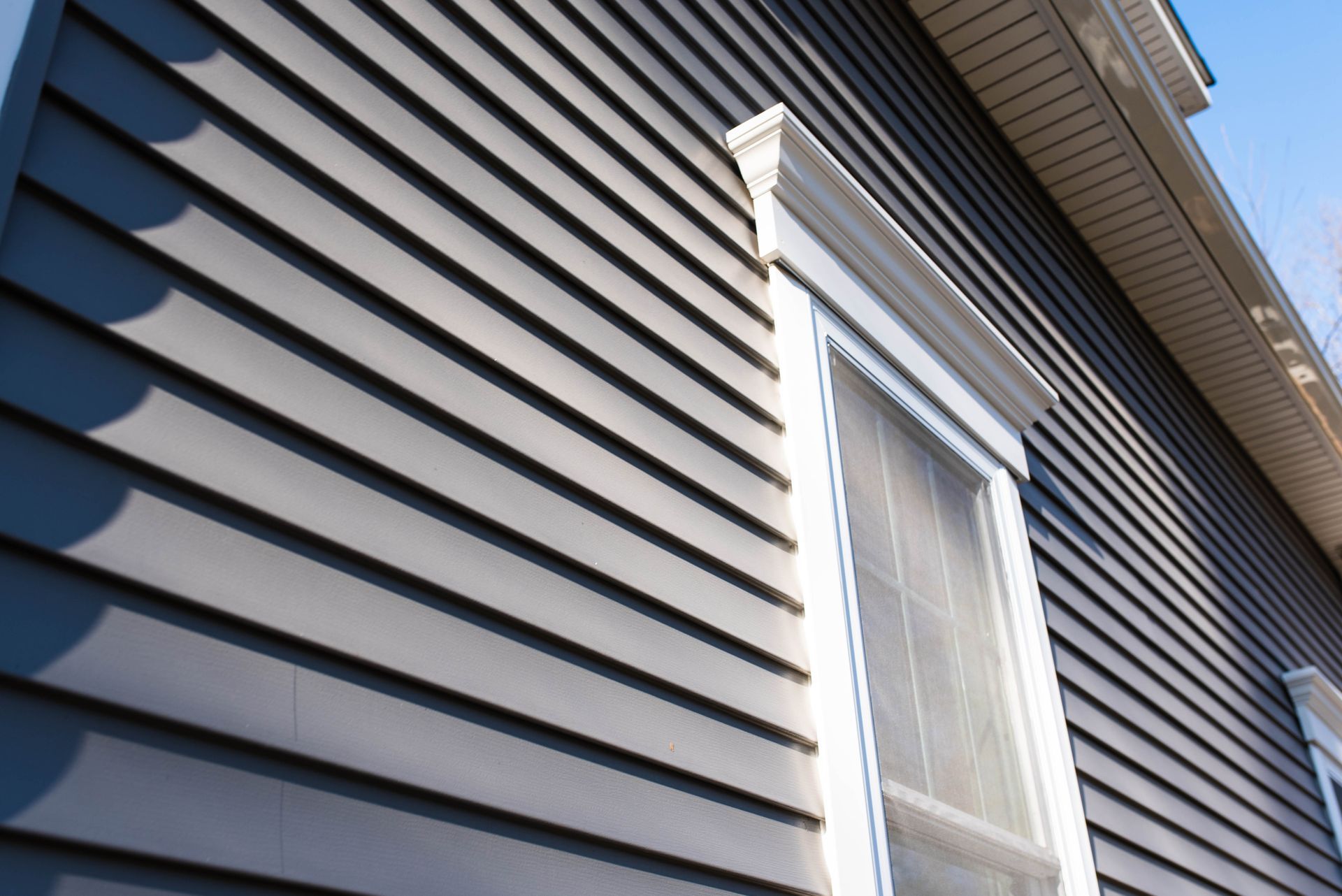
What Proper Siding Repair Requires
Repair work begins with removing the damaged section and examining the condition of the housewrap, foam sheathing, or tar paper beneath it, since moisture that bypasses the siding often migrates along these layers before reaching the wall studs. Replacement panels are cut to fit precisely, with edges aligned to maintain the original lap pattern and fastener placement adjusted to avoid splitting or dimpling the new material. For fiber cement, vinyl, or engineered wood siding, matching the existing color and texture requires identifying the original product line or selecting the closest available match when older products have been discontinued.
After repairs are finished, the repaired section sheds water consistently with the surrounding siding, eliminating the gaps or cracks that allowed moisture infiltration. Homes regain curb appeal as mismatched, warped, or broken panels are replaced with sections that align cleanly and hold paint or finish as intended. Insulation behind repaired areas remains dry, maintaining its R-value and reducing the workload on heating systems during wet, cool months common to the region.
Repairs may also include replacing trim boards, corner posts, or J-channels that have separated or rotted, and sealing penetrations around outdoor fixtures, vents, or hose bibs that were not properly flashed during initial installation. Matching existing materials ensures visual continuity, while addressing the root cause of damage prevents the same issue from returning within a few seasons. In some cases, the repair reveals patterns of moisture intrusion that point to gutter overflow, missing drip edge, or inadequate roof overhang, which are then corrected as part of a comprehensive approach.
Answers to Frequent Service Questions
Homeowners often want to know how repairs are matched to existing siding, what causes damage to reappear, and when full replacement becomes necessary.
What causes siding to crack or warp over time?
Moisture cycling, UV degradation, fasteners driven too tight, and thermal expansion all stress siding materials, with damage accelerating on walls that receive the most direct weather exposure.
How are replacement panels matched to the original siding?
Matching involves identifying the siding profile, thickness, and finish, then sourcing the same product line or selecting the closest available alternative when original materials are no longer manufactured.
When should I repair siding rather than replace entire sections?
Isolated damage caused by impact, localized rot, or specific failure points can be repaired effectively, while widespread deterioration across multiple walls often makes full replacement more practical and cost-effective.
How does moisture get behind siding even when panels appear intact?
Water infiltrates through failed caulking around windows and doors, unsealed seams between panels, improperly flashed penetrations, and fastener holes that allow capillary action to draw moisture inward.
What happens if damaged siding is left unrepaired?
Water continues to reach the sheathing and framing, leading to wood rot, structural weakening, mold growth, and higher heating costs as insulation becomes saturated and loses thermal performance.
Skylight Roofing and Construction inspects siding damage to determine whether isolated repairs will restore performance or if broader intervention is needed, then completes the work with materials and techniques suited to Bainbridge Island's climate. Contact us to schedule an inspection and receive a detailed repair estimate.